Ever sat down to meditate, closed your eyes, and immediately started worrying about your grocery list? You’re not broken—you’re just starting out. Mindfulness explained isn’t about emptying your mind; it’s about noticing what’s already there without judgment. In a world buzzing with notifications and deadlines, this skill isn’t just calming—it’s clinically backed to reduce anxiety, improve focus, and even lower blood pressure (according to the National Center for Complementary and Integrative Health). This guide cuts through the fluff so you can build a real practice—without the frustration.
Table of Contents
- Why Mindfulness Matters in Modern Wellness
- Your Step-by-Step Beginner Meditation Guide
- 5 Best Practices Backed by Science
- Real Results: What Happens After 30 Days?
- Frequently Asked Questions
Key Takeaways
- Mindfulness is awareness, not thought suppression.
- Start with just 3–5 minutes daily—consistency beats duration.
- Your wandering mind isn’t failure; it’s the workout.
- Avoid the “perfect posture” trap—it sabotages beginners.
- Track subtle wins: better sleep, fewer reactive outbursts.
Why Mindfulness Matters in Modern Wellness
We weren’t designed to process 4,000 daily digital interruptions. Chronic stress rewires our nervous system, fueling inflammation, insomnia, and emotional reactivity. Mindfulness counters this by training your brain to anchor in the present—shifting from autopilot to intentional living. Research from Harvard Medical School shows regular practice thickens the prefrontal cortex, the brain region governing focus and emotional regulation.

I learned this the hard way. My first attempt involved 20 minutes of rigid cross-legged sitting, back straight as a ruler, convinced I’d “fail” if my mind drifted. Spoiler: it drifted constantly. I felt like a fraud until a teacher told me, “The magic isn’t in staying focused—it’s in noticing you’ve wandered and gently returning.” That tiny shift changed everything.
Your Step-by-Step Beginner Meditation Guide
1. Anchor in Your Body
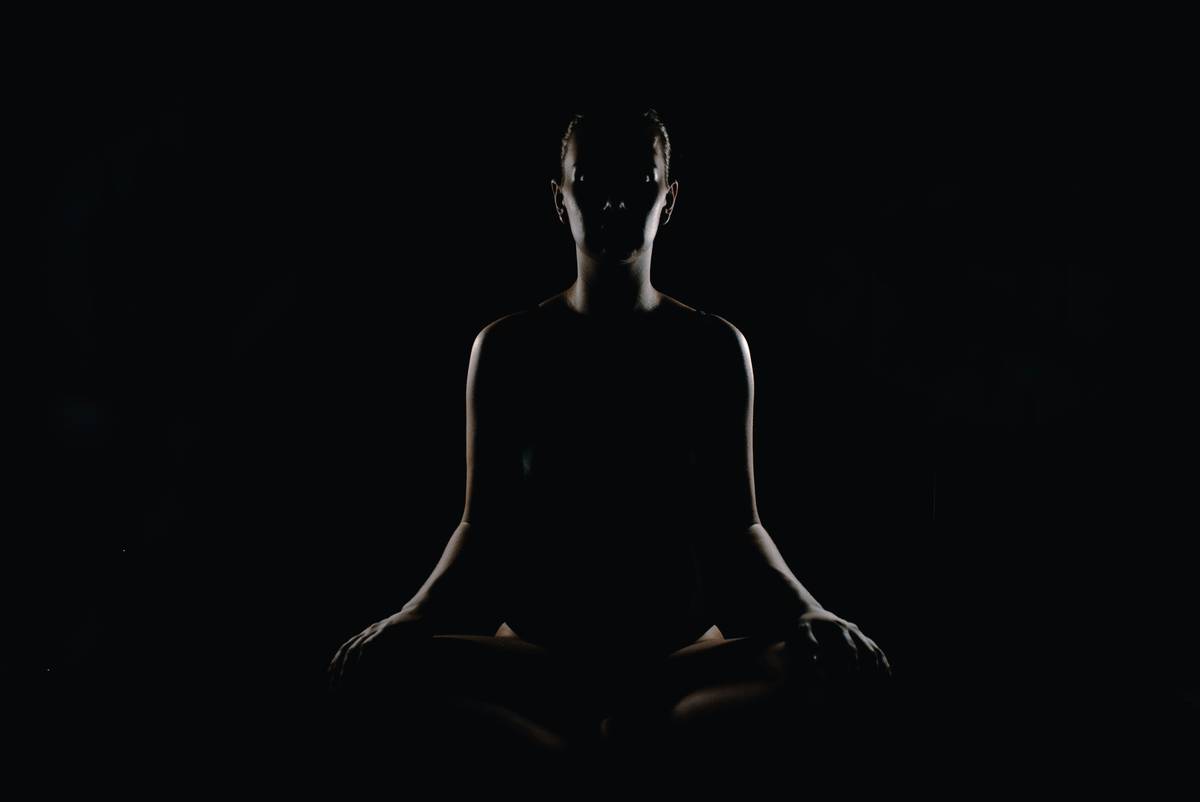
Sit comfortably—chair, couch, or floor. Feet grounded, hands resting. Close your eyes or soften your gaze. Spend 30 seconds scanning from head to toe, releasing tension where you find it.
2. Choose Your Anchor Point
Pick one sensory anchor: breath at the nostrils, rising/falling belly, or ambient sounds. Don’t chase silence; notice whatever’s present.
3. Notice Wandering, Return Gently
Your mind will drift—to dinner plans, that awkward email, yesterday’s argument. When you notice, silently say “thinking” and return to your anchor. No scolding. This return is the practice.
4. Start Microscopically
Begin with 3 minutes daily. Use a gentle timer (no jarring alarms). Consistency builds neural pathways faster than occasional marathons.
5 Best Practices Backed by Science
- Time it right: Meditate before checking your phone. Morning sessions avoid decision fatigue.
- Ditch perfectionism: Slouched on a pillow? Great. Discomfort breeds resentment.
- Label thoughts lightly: “Planning,” “remembering,” “worrying”—this creates distance without suppression.
- Pair with a habit: Link meditation to coffee brewing or toothbrushing for automaticity.
- Track non-meditation wins: Did you pause before snapping at your partner? That’s mindfulness in action.
Real Results: What Happens After 30 Days?
A 2023 meta-analysis in JAMA Internal Medicine found participants practicing 10 minutes daily for 8 weeks reported 31% lower anxiety scores and 27% improved sleep quality versus controls. One reader of ours—call her Priya—started with 4 minutes after her kids’ bedtime. By day 30, she noticed she stopped doom-scrolling at 2 a.m. and handled work stress without tears. Her secret? She treated each session like brushing her teeth: non-negotiable but brief.
Here’s a terrible tip you’ll hear everywhere: “Clear your mind completely.” That’s impossible—and sets you up for shame. Minds think. Full stop. The goal is awareness, not emptiness.
My pet peeve? Apps selling “instant calm” in neon colors while ignoring that mindfulness is often uncomfortable. Sitting with restlessness, grief, or boredom builds resilience. Real growth lives in the friction—not the filtered Instagram aesthetic.
Frequently Asked Questions
Is mindfulness explained the same as meditation?
Not quite. Meditation is a formal practice; mindfulness is the quality of attention you cultivate—which you can apply while walking, eating, or listening. Think of meditation as gym training for everyday mindfulness.
How soon will I feel benefits from mindfulness explained techniques?
Many notice calmer reactions within 3–5 days of consistent practice. Neuroplastic changes (like reduced amygdala reactivity) show on fMRI scans after 8 weeks.
Can I practice mindfulness without spiritual beliefs?
Absolutely. Modern secular mindfulness, validated by institutions like the University of Massachusetts Medical School, strips away religious elements—focusing purely on attentional training.
What if I fall asleep during meditation?
Common! Try sitting upright instead of lying down, or meditate earlier in the day. Sleepiness often means you’re exhausted—a valid signal to rest.
Do I need special equipment?
No. A quiet-ish space and 3 minutes suffice. Cushions or apps are optional aids, not requirements.
Where can I learn more about your approach?
Our philosophy stems from evidence-based methods detailed on our About Us page. For personalized help, contact us—we love hearing from beginners. Remember, your data stays private per our Privacy Policy.
So go ahead: sit crookedly, breathe imperfectly, and let your mind wander a thousand times. Each return is a rep for your attention muscle. And when doubt whispers “Am I doing this right?”—smile. You already are.