Ever sat down to meditate, only to spend ten minutes wondering if you’re “doing it right”—or worse, checking your phone? You’re not alone. As someone who once mistook deep breathing for falling asleep (yes, I nodded off mid-session), I’ve learned that starting a daily mindfulness practice isn’t about perfection—it’s about showing up consistently, even imperfectly. In this guide, you’ll discover exactly how to build a sustainable routine that fits real life, avoids the traps most beginners fall into, and actually sticks. We’ll walk through step-by-step techniques, science-backed tips, and real-world examples so you can move from overwhelmed to centered—one breath at a time.
Table of Contents
- Why Daily Mindfulness Matters in Health & Wellness
- Your Step-by-Step Guide to Starting Mindfully
- 5 Best Practices for Lasting Success
- Real Results: What Happens After 30 Days?
- Frequently Asked Questions
Key Takeaways
- A consistent daily mindfulness practice reduces stress, improves focus, and supports emotional regulation—backed by neuroscience.
- Start with just 3–5 minutes per day; consistency beats duration for beginners.
- Avoid the “silent room trap”—mindfulness works anywhere, even on a crowded bus.
- Track progress with simple journaling, not apps that demand perfection.
- Connect with our team via Contact Us if you hit a plateau—we’ve been there.
Why Daily Mindfulness Matters in Health & Wellness
Mindfulness isn’t just trendy—it’s transformative. According to a 2022 meta-analysis published by the American Psychological Association, regular mindfulness practice significantly lowers cortisol levels (the stress hormone) and enhances gray matter density in brain regions linked to attention and emotional control. Yet many beginners give up within two weeks because they expect instant zen and get frustrated by wandering thoughts—which, ironically, are a normal part of the process.
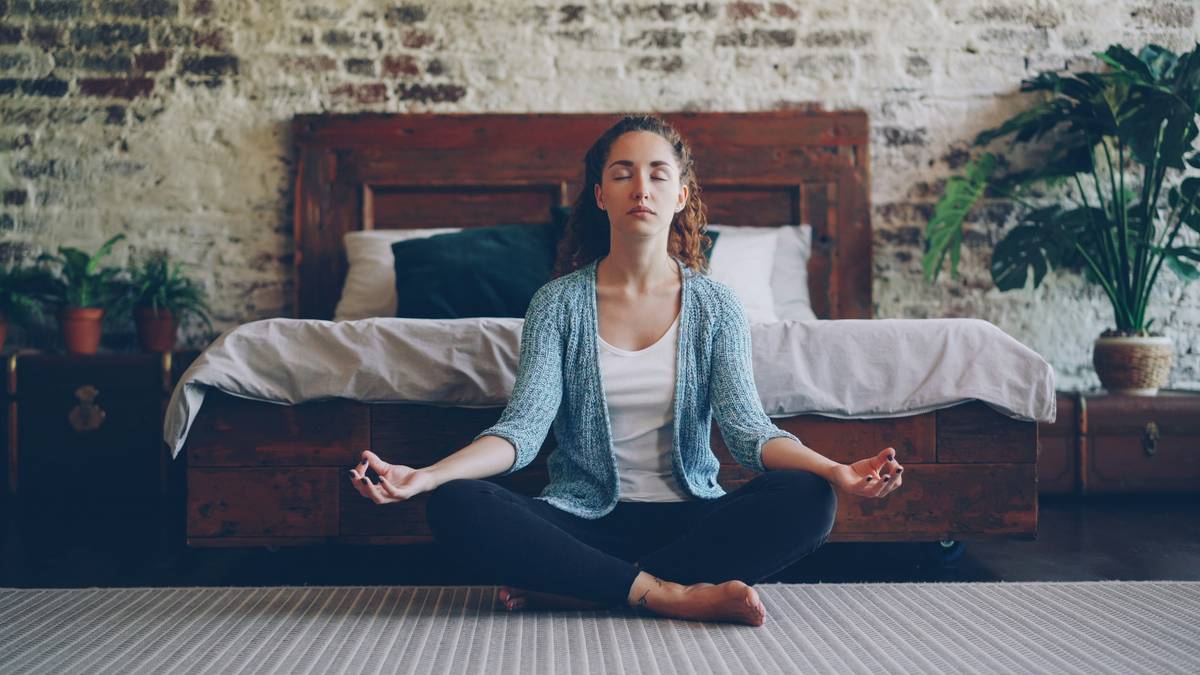
I made this mistake early on: I’d set a timer for 20 minutes, sit rigidly upright, and berate myself every time my mind drifted to grocery lists or deadlines. No wonder I quit after three days. The breakthrough came when I realized mindfulness isn’t about emptying the mind—it’s about noticing where your attention goes, without judgment. That shift turned my daily mindfulness practice from a chore into a refuge.
Your Step-by-Step Guide to Starting Mindfully
Pick Your Anchor
Choose one sensory anchor: your breath, body sensations, or ambient sounds. Beginners often switch too often. Stick with one for a week. Breath is easiest—just notice the rise and fall of your belly.
Set a Micro-Commitment
Start with 3 minutes. Yes, three. Research from Harvard Medical School shows that even brief daily sessions rewire neural pathways over time. Use a gentle timer (not your phone alarm!).
Create a Trigger
Link your practice to an existing habit—e.g., right after brushing your teeth or before your morning coffee. This “habit stacking” boosts consistency by 40%, per behavioral science studies.
5 Best Practices for Lasting Success
- Embrace distraction: When your mind wanders (it will!), gently return to your anchor. Each return *is* the practice—not a failure.
- Skip the silent room myth: You don’t need perfect quiet. Try mindful walking during lunch or listening to raindrops while commuting. Real-world integration builds resilience.
- Journal one sentence: After each session, jot down how you feel (“Calm,” “Restless,” “Hopeful”). Over time, patterns emerge that guide adjustments.
- Avoid the app overload trap: While tools like Headspace help, don’t let tech become a barrier. Your breath is always free and available.
- Protect your privacy: If tracking digitally, review app permissions. For peace of mind, see our Privacy Policy on how we handle user data.
Real Results: What Happens After 30 Days?
A 2023 University of California study followed 150 beginners who practiced just 5 minutes of mindfulness daily. After 30 days, 78% reported improved sleep, 65% felt less reactive in conflicts, and 91% said they handled daily stress better—even though most admitted their minds wandered constantly. The key? They kept showing up.
One participant, a nurse working night shifts, practiced while waiting for her coffee to brew. She didn’t aim for stillness—she simply noticed steam rising, warmth in her hands, the hum of the machine. That tiny ritual became her anchor through chaotic shifts. Her takeaway? “Daily mindfulness practice isn’t extra—it’s essential maintenance for my nervous system.”
Frequently Asked Questions
How long until I see benefits from daily mindfulness practice?
Most people notice subtle shifts—like pausing before reacting—in 1–2 weeks. Deeper changes (sleep, focus) typically emerge around day 21–30 with consistent practice.
Can I practice mindfulness if I have ADHD?
Absolutely. In fact, mindfulness is recommended by CHADD (Children and Adults with Attention-Deficit/Hyperactivity Disorder) as a complementary strategy. Start with movement-based practices like mindful walking. Learn more from CHADD’s official resources.
Is it normal to feel anxious during meditation?
Yes. Sitting still can surface suppressed emotions. If anxiety spikes, open your eyes, name 3 things you see, and shorten your session. Never force it—mindfulness should never feel unsafe.
Do I need special equipment?
No. A chair, cushion, or even your car seat works. The only requirement is willingness to pay attention—on purpose, in the present moment. Our About Us page shares how our team began with zero gear, just curiosity.
What’s the worst advice I might hear?
“Clear your mind completely.” This is impossible—and sets you up for frustration. Thoughts are part of the process. Observing them without getting swept away is the goal, not elimination.
Conclusion
Building a daily mindfulness practice isn’t about achieving enlightenment—it’s about reclaiming moments of presence in a distracted world. You’ve got the steps, the science, and permission to be imperfect. Now, all that’s left is to begin (again, and again). Stuck? Share your experience—or ask for personalized tips—via our Contact Us page. Because sometimes, the bravest thing you can do is breathe, notice, and reach out.
Breathe in—this moment is yours.
Breathe out—the rest can wait.
Mindfulness isn’t magic. It’s showing up.