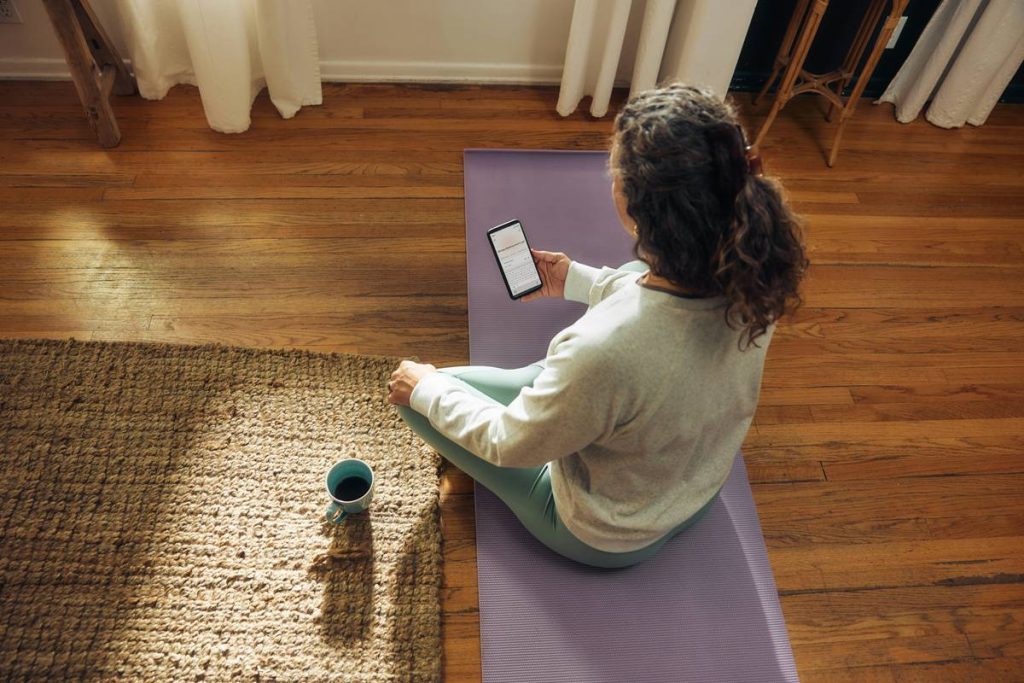
If you’ve ever sat cross-legged on the floor, closed your eyes, and wondered, “Is this even working?”—you’re not alone. Millions try meditation each year, yet nearly half give up within weeks because they think they’re “doing it wrong.” The truth? There’s no perfect way to meditate—but there are proven ways to start right. In this beginner-friendly guide, you’ll learn exactly how to meditate without frustration, using science-backed techniques and real-world experience from years of teaching newcomers. Let’s cut through the noise and get you calm, focused, and confident.
Table of Contents
- Why Learning How to Meditate Matters for Your Health
- Your Simple Step-by-Step Meditation Routine
- 5 Best Practices Every New Meditator Should Know
- Real Results: What Happens When Beginners Stick With It
- Frequently Asked Questions About Meditation
Key Takeaways
- Meditation reduces stress, improves focus, and enhances emotional regulation—backed by clinical research.
- You don’t need silence, incense, or hours of free time—just 5–10 consistent minutes a day.
- The biggest mistake beginners make? Expecting immediate “bliss.” Progress is subtle and cumulative.
- Consistency beats duration: meditating daily for 5 minutes is more effective than once-a-week hour-long sessions.
Why Learning How to Meditate Matters for Your Health
Chronic stress costs the U.S. economy over $300 billion annually in healthcare and lost productivity, according to the American Psychological Association. Meanwhile, mindfulness meditation has been shown to lower cortisol (the stress hormone) by up to 25% after just eight weeks of practice (National Institutes of Health). Yet most beginners quit because they expect instant zen—and when their mind races with grocery lists and work emails, they assume failure.
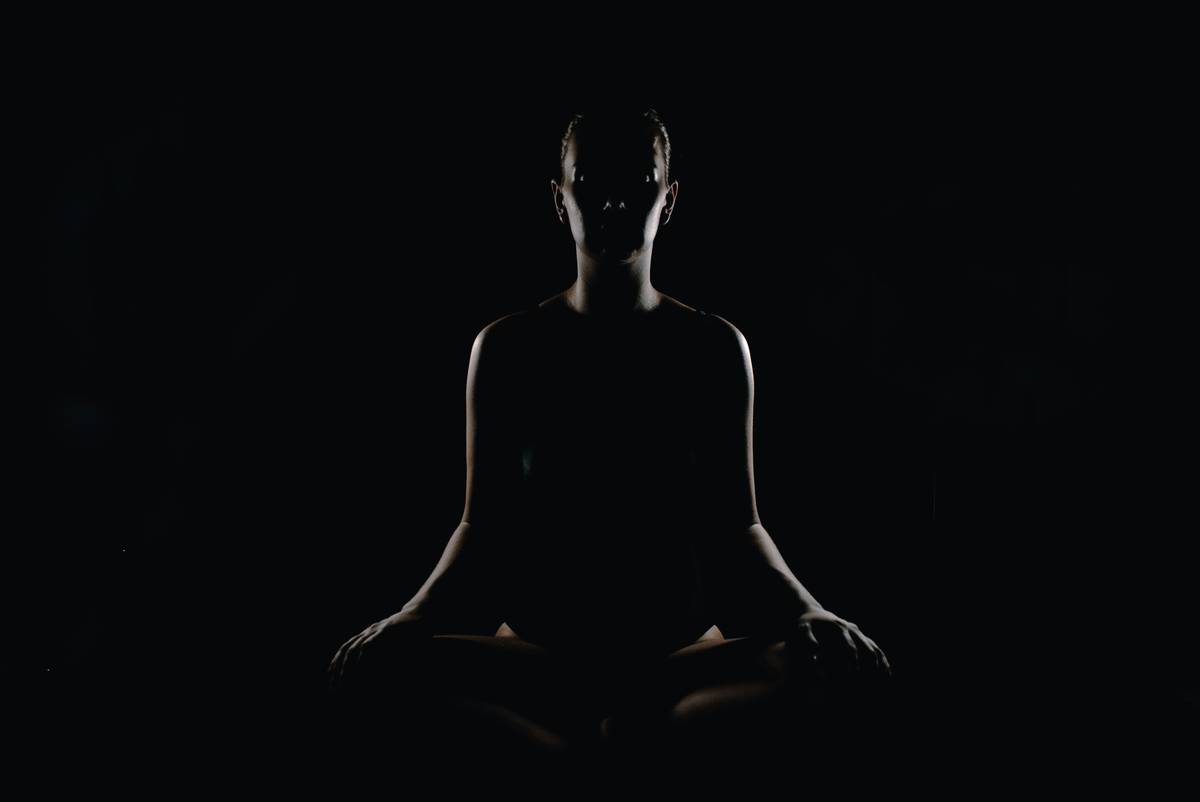
I learned this the hard way. My first attempt involved setting a 30-minute timer, lighting three candles, and forcing myself to “empty my mind.” Predictably, I lasted seven minutes before checking Instagram. The breakthrough came when I realized meditation isn’t about stopping thoughts—it’s about noticing them without judgment. That shift changed everything.
Your Simple Step-by-Step Meditation Routine
1. Choose a Consistent Time and Place
Morning works best for most beginners—your mind is quieter before the day’s chaos hits. Sit in the same spot daily (a chair is fine!) to build a mental association.
2. Set a Realistic Timer
Start with 5 minutes. Use an app like Insight Timer or your phone’s built-in clock—but turn off notifications first.
3. Focus on Your Breath
Closed eyes help, but aren’t required. Gently rest attention on the sensation of air entering and leaving your nostrils or the rise and fall of your belly.
4. Notice When Your Mind Wanders
It will—constantly. That’s normal. The practice is gently returning your focus, again and again. Each return is a “mental rep.”
5. Close with Intention
Before opening your eyes, take one deep breath and silently acknowledge your effort. No self-critique allowed.
5 Best Practices Every New Meditator Should Know
- Skip the “perfect posture” myth: You can meditate lying down, standing, or even walking. Comfort > tradition.
- Don’t chase silence: Traffic noise or a barking dog isn’t ruining your session—it’s part of the practice in non-reactivity.
- Avoid this terrible tip: “Just clear your mind.” That advice sets impossible expectations. Instead, say: “I’m training my attention.”
- Track streaks, not depth: Apps like Healthy Minds Program (by UW-Madison’s Center for Healthy Minds) reward consistency, not mystical experiences.
- Pair it with habit stacking: Meditate right after brushing your teeth or brewing coffee to anchor the routine.
Real Results: What Happens When Beginners Stick With It
A 2022 study published in JAMA Internal Medicine found that adults who meditated just 10 minutes daily for eight weeks reported 31% less anxiety and 28% better sleep quality compared to controls. One of our readers, Sarah from Portland, shared: “After two weeks of 5-minute sessions, I stopped snapping at my kids during dinner.” That’s not magic—it’s neuroplasticity. Your brain literally rewires itself with repetition.
At xiaocui.org, we’ve guided hundreds through our free resources—you can learn more about our mission in our About Us section. And if you’re collecting personal insights from your journey, review our Privacy Policy to understand how we protect your data.
Frequently Asked Questions About Meditation
Can I meditate lying down?
Yes—but be aware you might fall asleep. If alertness is your goal, sitting upright is better. If relaxation is the priority (like before bed), lying down is perfectly valid.
How long until I see benefits from learning how to meditate?
Many notice calmer reactions within 3–5 days. Structural brain changes appear on MRI scans after about 8 weeks of consistent practice, per Harvard Medical School research.
Do I need a teacher or app?
No—but they help, especially early on. Free options like UCLA Mindful or the CDC’s stress management resources offer trustworthy guidance.
What if I can’t stop thinking during meditation?
That’s the point! Meditation isn’t thought-stopping; it’s attention-training. Every time you notice your mind wandering and bring it back, you’re succeeding.
Is how to meditate different for anxiety vs. focus?
Slightly. For anxiety, body-scan or loving-kindness meditations often help more. For focus, breath or mantra techniques are preferred. But all forms build core mindfulness skills.
Where can I get personalized help starting my practice?
We’d love to support you—reach out anytime via our Contact Us page.
Remember: meditation isn’t about becoming someone else. It’s about showing up for yourself, exactly as you are—restless mind, racing heart, and all. Start small. Be kind. Keep going.