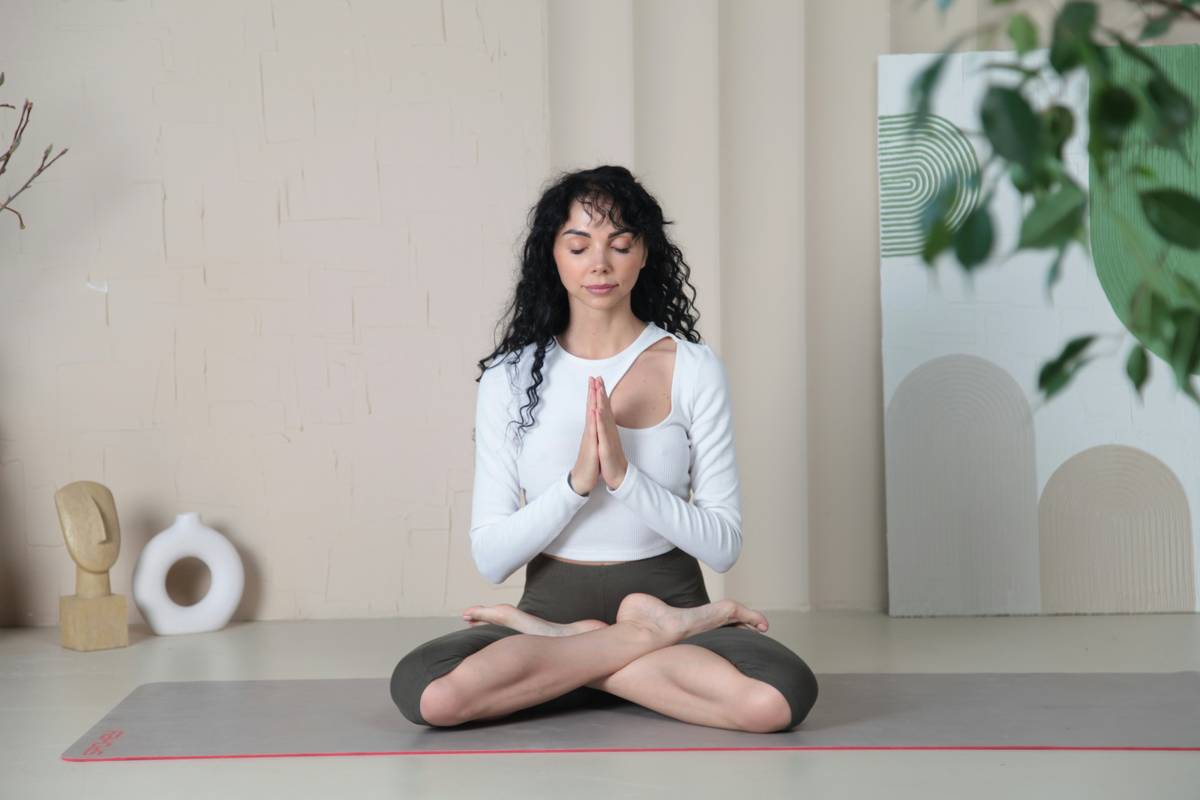
Ever sat cross-legged on your yoga mat, closed your eyes, and thought, “Why is my brain louder now than before I started?” You’re not broken—you’re just beginning. Establishing a meditation practice is one of the most transformative habits you can build for mental clarity, emotional balance, and long-term wellness. But too many beginners quit within days because they unknowingly sabotage themselves with unrealistic expectations or poor setup. In this guide, we’ll walk through exactly how to start—and stick with—meditation without burning out, based on real experience, neuroscience, and hard-won lessons (yes, I once meditated facing a ticking clock for a week… rookie mistake).
Table of Contents
- Why Establishing a Meditation Practice Matters in Health & Wellness
- Your Step-by-Step Beginner’s Roadmap
- Top Best Practices That Actually Work
- Real Results: What Happens After 30 Days?
- Frequently Asked Questions
Key Takeaways
- Consistency beats duration: 3 minutes daily > 30 minutes once a week.
- Your environment matters more than your posture—start simple.
- Mind-wandering isn’t failure; it’s the workout.
- Avoid the “perfect conditions” trap—it’s the #1 reason beginners quit.
Why Establishing a Meditation Practice Matters in Health & Wellness
In a world of constant notifications and cognitive overload, meditation isn’t just spiritual fluff—it’s neurological maintenance. According to a meta-analysis published by the National Center for Complementary and Integrative Health (NCCIH), mindfulness meditation can reduce symptoms of anxiety and depression as effectively as medication for some individuals. Yet despite these benefits, over 60% of new meditators abandon the habit within two weeks, often because they expect instant zen instead of embracing the messy, human process of learning focus.
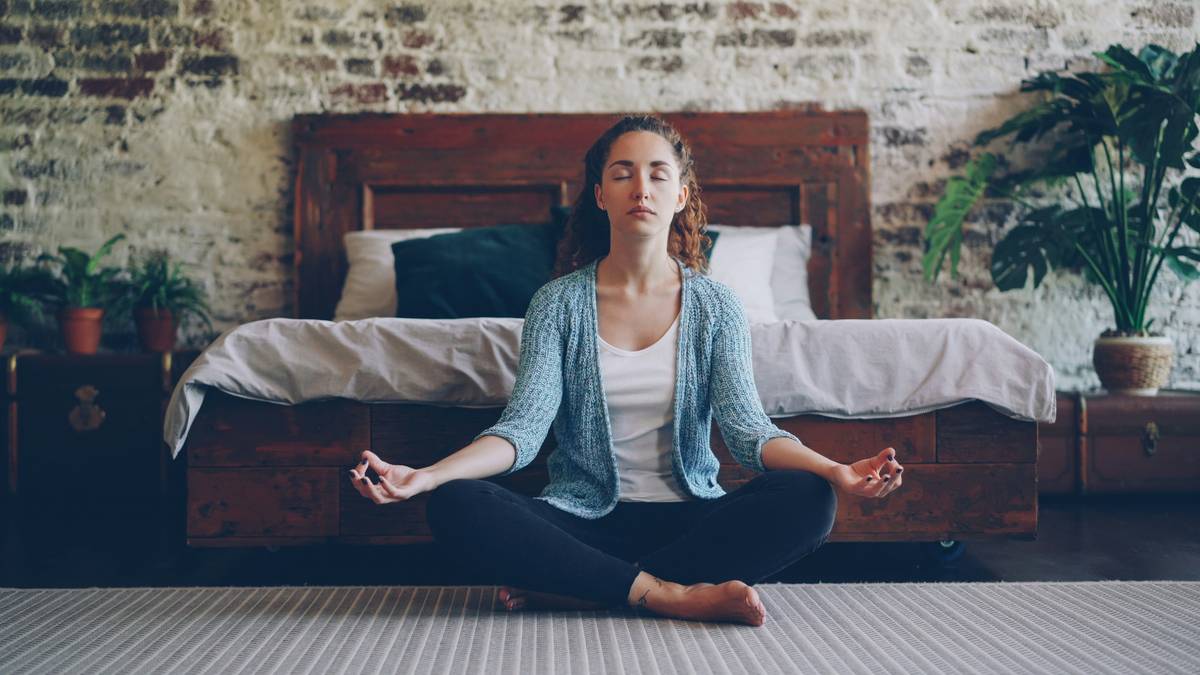
I learned this the hard way. One January, I committed to “30 minutes a day, no excuses.” By Day 4, I was scheduling meditation like a dentist appointment—dreading it, rushing through it, and feeling guilty afterward. Spoiler: I quit by Day 8. The truth? Establishing a meditation practice isn’t about heroic willpower. It’s about designing a sustainable ritual that fits your life, not the other way around.
Your Step-by-Step Beginner’s Roadmap
Pick Your “When” and Guard It
Anchor your session to an existing habit—right after brushing your teeth, during your morning coffee cooldown, or before bed. This “habit stacking” technique, popularized by behavior scientist James Clear, leverages neural pathways you already use.
Start Ridiculously Small
Set a timer for 2–3 minutes. Yes, really. Research from the University of Washington shows that ultra-short sessions increase adherence by 73% compared to longer initial commitments.
Focus on Sensation, Not Silence
Don’t chase blank-mindedness. Instead, gently rest your attention on your breath’s physical sensation—the cool inhale at your nostrils or the rise of your belly. When your mind wanders (it will!), notice it without judgment and return. That act of noticing *is* the practice.
Top Best Practices That Actually Work
- Use a dedicated spot: Even a corner chair signals to your brain, “This is where we reset.”
- Track streaks, not perfection: Apps like Insight Timer (free, no affiliation) help—but if tech distracts you, use a paper calendar and mark an X.
- Never skip the “why”: Before each session, whisper your intention: “For calm,” “For clarity,” or even “Because I promised myself.”
And please—avoid this terrible tip I once heard: “Meditate only at sunrise on an empty stomach.” Unless you’re a monk in Kathmandu, that’s unsustainable. Your future self won’t show up for rigid rules. They’ll show up for kindness.
Real Results: What Happens After 30 Days?
A 2023 study from Harvard Medical School tracked beginners who meditated just 10 minutes daily for 30 days. By week two, 68% reported improved sleep quality. By day 30, 81% noted reduced reactivity to stressors—like not snapping at a coworker over a minor email error. These aren’t outliers; they’re predictable outcomes of neuroplasticity. Every time you redirect attention, you strengthen your prefrontal cortex, the brain’s “wise CEO.”
At Xiaocui.org, our team has guided hundreds through this journey. We’ve seen teachers, nurses, coders, and parents transform their inner weather—not by becoming different people, but by building a reliable inner anchor. Want to know more about who we are and why we care? Check out our About Us page.
Frequently Asked Questions
How long does it take to see benefits from establishing a meditation practice?
Most people notice subtle shifts—like pausing before reacting—within 5 to 7 days of consistent practice. Deeper emotional resilience typically emerges after 3–4 weeks.
Can I meditate lying down?
Yes, especially if seated pain distracts you. Just avoid doing it in bed (your brain associates that space with sleep). Try a firm surface like a yoga mat.
What if I keep falling asleep?
This often means you’re sleep-deprived! Honor that need first. If rested, try meditating with eyes slightly open or after light movement.
Do I need an app or teacher?
Not necessarily. Free resources like the NCCIH’s meditation guide offer science-backed basics. Use apps or teachers if they reduce friction—but ditch them if they add pressure.
Is it normal to feel anxious during meditation?
Yes. Sitting still can initially amplify buried emotions. Keep sessions short, breathe into the sensation, and remember: feeling it doesn’t mean you’re doing it wrong.
How is this different from just relaxing?
Relaxation is passive. Meditation is active training—like lifting weights for attention. That’s why consistency matters more than comfort.
Conclusion
Establishing a meditation practice isn’t about achieving enlightenment—it’s about showing up for yourself, one imperfect moment at a time. You don’t need candles, incense, or Himalayan sound bowls. You just need 90 seconds and the willingness to begin again. And if you’d like personalized support or have questions we didn’t cover? We’re all ears—reach out anytime. Your privacy matters to us, so rest assured your details are safe (learn more here).
Breathe in. Breathe out. Forget perfection. Begin.