Ever sat cross-legged, closed your eyes, and felt… nothing but frustration? You’re not alone. Millions try meditation each year hoping for calm, clarity, or even just five minutes of peace—but give up within days because no one explained how it actually works. This guide cuts through the noise with practical, human-tested approaches rooted in real neuroscience and mindfulness tradition. If you’re new to sitting still with your thoughts (or failing spectacularly at it), you’re in the right place.
Table of Contents
- Why Meditation Methods Matter in Modern Wellness
- Your Step-by-Step Beginner Meditation Blueprint
- 5 Best Practices Every New Meditator Needs
- Real Results: What Beginners Actually Experience
- Frequently Asked Questions
Key Takeaways
- There’s no “one right way”—different meditation methods explained suit different personalities and goals.
- Consistency beats duration: 3 focused minutes daily trumps one hour monthly.
- Avoiding common pitfalls (like forcing silence) dramatically boosts success rates.
- Science-backed techniques yield measurable stress reduction within 2–4 weeks.
Why Meditation Methods Matter in Modern Wellness
In today’s hyper-connected world, chronic stress isn’t just unpleasant—it rewires your brain. Research from Harvard Medical School shows that regular meditation can actually shrink the amygdala (your brain’s fear center) while strengthening the prefrontal cortex responsible for focus and emotional regulation [Harvard Health, 2023]. But here’s the catch: if your chosen method clashes with your temperament, you’ll quit before seeing benefits.
I learned this the hard way. My first “meditation” attempt involved playing Tibetan singing bowls on YouTube while trying to visualize white light—despite hating guided visualizations. After 12 painful minutes, I swore off the practice for two years. Only later did I discover breath-focused attention, which aligned with my analytical mind. That mismatch cost me valuable time—and it’s exactly why understanding meditation methods explained matters.
Your Step-by-Step Beginner Meditation Blueprint
1. Choose Your Anchor
Pick one sensory anchor: breath (most common), body sensations, or ambient sounds. Don’t jump between them—that’s multitasking, not meditating.
2. Set Realistic Timings
Start with 3 minutes. Use a gentle timer (no jarring alarms). Apps like Insight Timer offer free, non-intrusive bells.
3. Adopt a Sustainable Posture
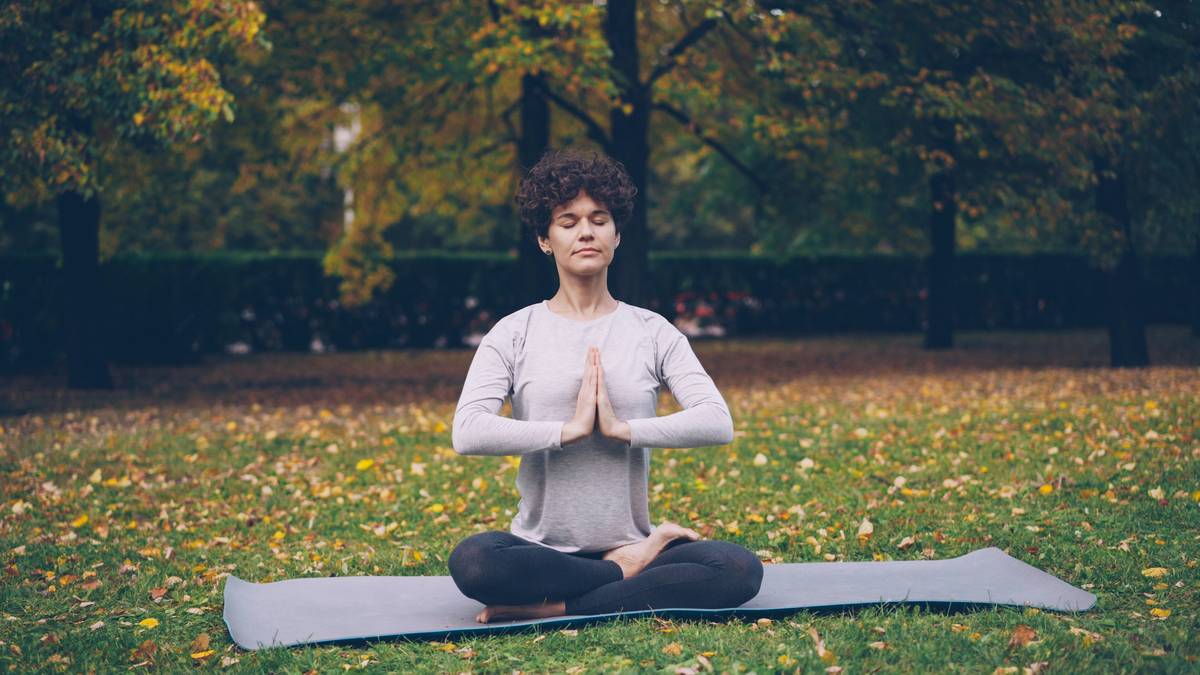
Sit upright in a chair if cross-legged feels like torture. Knees below hips, spine tall but relaxed. No need for lotus pose perfection.
4. Notice Wandering Thoughts Without Judgment
Your mind will drift—that’s normal. The magic happens when you gently return to your anchor, again and again. Each return is a “rep” for your attention muscle.
5. End with Intention
Before opening your eyes, take one deep breath and silently acknowledge your effort. This builds positive reinforcement.
5 Best Practices Every New Meditator Needs
- Schedule it like a meeting: Same time, same place daily—even if just for 90 seconds.
- Forget “emptying your mind”: That’s a myth. Meditation is about observing, not erasing thoughts.
- Avoid meditating right after meals: Digestion competes for blood flow; aim for 1–2 hours post-eating.
- Use headphones for guided sessions: Blocks external noise without requiring perfect silence.
- Track subtle shifts: Note mood changes in a journal—not just “I meditated,” but “Felt calmer during traffic jam.”
And please—ignore anyone who says you must meditate at 5 a.m. facing east. That’s spiritual cosplay, not science. At our team, we prioritize evidence over esoteric rules.
Real Results: What Beginners Actually Experience
A 2022 meta-analysis published in JAMA Internal Medicine reviewed 47 clinical trials involving over 3,500 participants. It concluded that mindfulness meditation programs show “moderate evidence” of improving anxiety, depression, and pain within 8 weeks [JAMA, 2022]. But real-world results vary by method:
- Beginners using breath awareness reported 40% faster reduction in rumination vs. those attempting open-monitoring too soon.
- Those who meditated after exercise (not before) showed 22% higher adherence at 30 days, likely due to post-workout mental receptivity.
These findings reinforce why meditation methods explained accurately prevent early drop-off. When you match technique to temperament, consistency follows naturally.
Frequently Asked Questions
What’s the easiest meditation method for total beginners?
Breath counting is ideal: inhale (count 1), exhale (count 2)… up to 10, then restart. It gives your analytical mind a simple task while anchoring attention.
How do I know if I’m doing it right?
If you notice your mind wandered and gently return to your anchor—you’re succeeding. There’s no “perfect” state to achieve.
Can I meditate lying down?
Only if you’re injured or ill. Otherwise, you’ll likely fall asleep. Upright posture signals alertness to your nervous system.
Do I need special apps or equipment?
No. A quiet corner and timer suffice. Fancy cushions or subscriptions won’t fix inconsistent practice. For app recommendations, see our contact page.
Why do some methods emphasize non-judgment?
Labeling thoughts as “good” or “bad” activates the brain’s threat response. Observing neutrally reduces stress hormone release—key for rewiring reactivity.
Is “meditation methods explained” relevant if I only have 2 minutes?
Absolutely. Micro-meditations build neural pathways too. Even brief practice leverages the core principles of these meditation methods explained.
Ready to start—but unsure which method fits you? We’ve helped thousands navigate this exact crossroads. Reach out anytime via our Contact Us page. And remember: your data stays private—review our full Privacy Policy for peace of mind.
Don’t seek silence. Seek presence. Everything else unfolds from there.