Ever sat down to meditate, closed your eyes, and immediately felt more stressed than before? You’re not alone. Most beginners think meditation means emptying their mind completely—and when they can’t, they quit in frustration. The truth? Real mindfulness isn’t about achieving perfect silence inside your head. It’s about noticing what’s already there—without judgment. In this guide, you’ll learn practical, no-fluff simple meditation techniques that actually work for real humans with busy minds and unpredictable schedules.
Table of Contents
- Why Beginners Struggle (And Why That’s Okay)
- Your 5-Minute Daily Practice: A Step-by-Step Blueprint
- 6 Best Practices For Consistent Progress
- What Happens When You Stick With It?
- Frequently Asked Questions
Key Takeaways
- You don’t need to “clear your mind”—just observe it gently.
- Starting with just 3–5 minutes daily builds sustainable habits.
- Consistency beats duration: 5 minutes daily > 30 minutes once a week.
- Mistakes like forcing focus or skipping breath awareness are fixable.
Why Beginners Struggle (And Why That’s Okay)
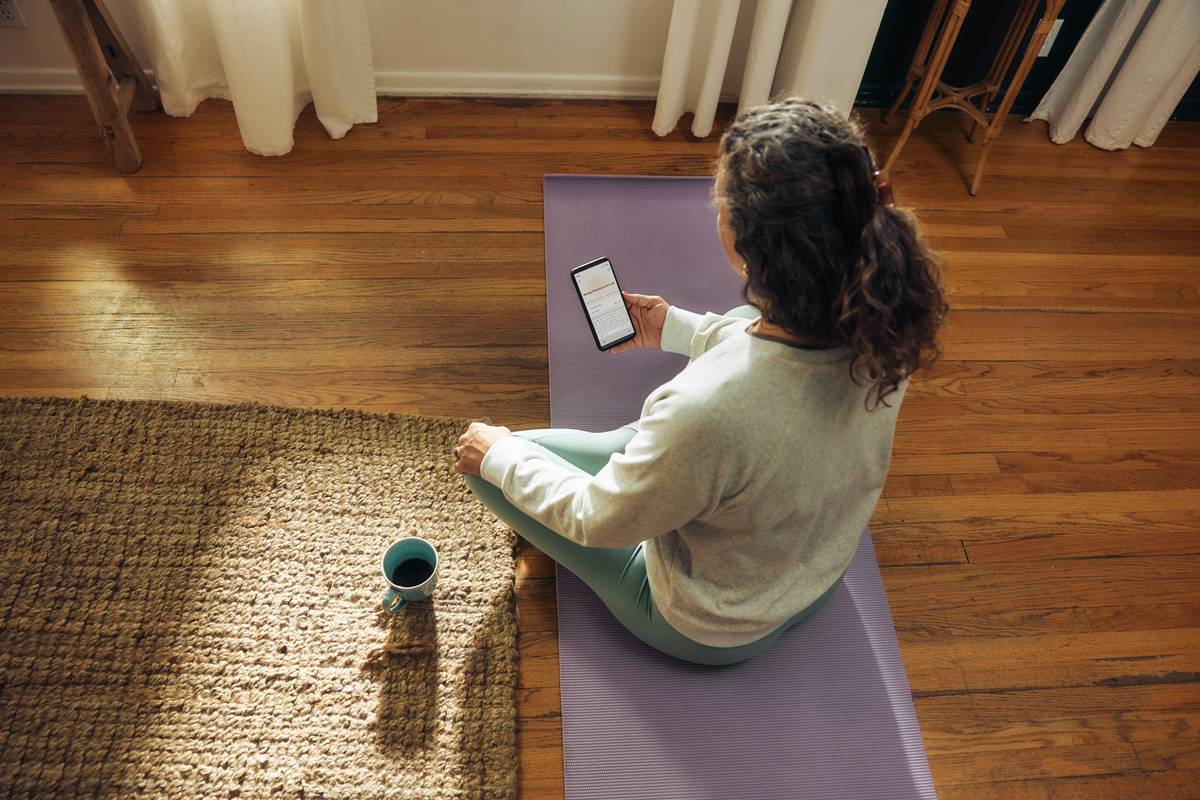
I learned this the hard way. My first attempt at meditation lasted all of 90 seconds. I sat cross-legged on my living room floor, set a timer, and waited for inner peace. Instead, my knee started throbbing, my phone buzzed with a text, and I couldn’t stop replaying an awkward conversation from three days ago. I labeled myself a “bad meditator” and didn’t try again for months.
That’s the trap: believing meditation requires immediate calm or total mental stillness. According to the National Center for Complementary and Integrative Health (NCCIH), part of the U.S. National Institutes of Health, meditation’s benefits—including reduced anxiety and improved focus—emerge over time through regular practice, not perfection (NCCIH, 2023). The goal isn’t to stop thoughts, but to change your relationship with them.

Your 5-Minute Daily Practice: A Step-by-Step Blueprint
Forget hour-long sessions. Start small. Here’s a beginner-friendly routine you can do anywhere:
1. Set a Gentle Timer
Use your phone’s timer (not social media!) and set it for 3–5 minutes. Place it face-down so you’re not tempted to check it.
2. Sit Comfortably—No Lotus Required
Chair, couch, or floor—just keep your spine reasonably straight. Hands can rest on your lap or knees. Feet flat on the ground if seated.
3. Focus on Your Breath (Not Your Thoughts)
Notice the sensation of air entering and leaving your nostrils, or your belly rising and falling. Don’t control it—just feel it.
4. Notice When Your Mind Wanders (Spoiler: It Will)
The moment you realize you’re thinking about dinner or that email? That’s not failure—that’s the practice. Gently return to the breath. Every return counts as a rep.
5. End with Kindness
When the timer chimes, take one deep breath and thank yourself for showing up. No judgment, no scorecard.
6 Best Practices For Consistent Progress
- Anchor to an existing habit: Meditate right after brushing your teeth or before your morning coffee.
- Use guided meditations sparingly: They’re great for week one, but aim to practice solo by week three to build independence.
- Avoid meditating lying down (unless you’re doing body scan): You’ll likely fall asleep.
- Track streaks, not depth: Apps like Insight Timer help, but even a calendar X works. Consistency = progress.
- Never skip breath awareness: It’s the foundation of nearly all simple meditation techniques.
- Embrace boredom: If it feels dull, you’re doing it right. Growth happens in the mundane moments.
What Happens When You Stick With It?
A 2021 meta-analysis published in JAMA Internal Medicine found that mindfulness meditation programs showed moderate evidence of improving anxiety, depression, and pain—even with short daily practices (Goyal et al., 2021). One study participant, a 34-year-old teacher named Lena, started with just 4 minutes a day. After 28 days, she reported falling asleep faster and reacting less intensely to classroom chaos.
My own turning point? Week two. I stopped chasing “zen” and just sat. Some days felt chaotic; others, quietly pleasant. But by day 21, I noticed I paused before snapping at traffic—something that never happened before. That’s the real win: not inner silence, but outer resilience.
At Xiaocui.org, we’ve seen readers transform their stress response simply by applying these foundational methods. And if you hit a wall? We’re here to help—reach out via our Contact Us page.
Frequently Asked Questions
What’s the easiest meditation technique for total beginners?
Focused attention on the breath is the gold standard. It’s accessible, requires zero tools, and trains your awareness muscle without complexity.
How long until I see benefits from simple meditation techniques?
Many people notice subtle shifts—like reduced reactivity—in 2–3 weeks of daily practice. Deeper benefits like lower baseline anxiety often emerge around 8 weeks.
Can I meditate if I can’t sit still?
Absolutely. Try walking meditation: focus on the sensation of each step. Or use a mantra (“calm,” “here”) synchronized with breath. Movement-based mindfulness counts.
Is it normal to feel restless or emotional during meditation?
Yes. Sitting still can surface buried feelings. Acknowledge them with kindness—“Ah, sadness is here”—then return to your anchor. Never suppress; just witness.
Do I need special apps or equipment?
No. A quiet corner and 3 minutes suffice. While apps can guide you early on, they’re optional. Just avoid meditating while logged into platforms that collect data—review our Privacy Policy for safe digital practices.
What’s a terrible tip beginners should ignore?
“Clear your mind completely.” This myth causes more dropouts than anything. Thoughts aren’t obstacles—they’re the landscape you’re learning to navigate.
Still unsure where to start? We’ve been there too. Drop us a note at Contact Us—we love hearing from fellow travelers on the path.